Dewa Slot: A Professional Analysis of the Online Slot Platform Landscape
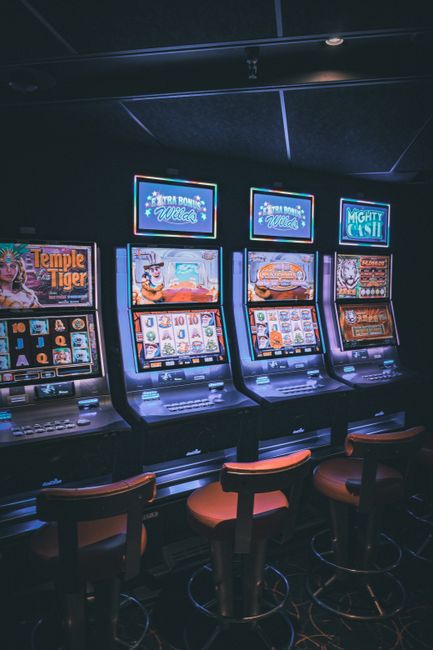
Understanding Dewa Slot in the Modern Gaming Ecosystem
The term "dewa slot" has gained significant traction in Southeast Asian online gaming communities, particularly within Indonesia and Malaysia. While the phrase itself translates loosely to "god slot" in Indonesian, it has evolved to represent a category of high-reputation, trust-based online slot platforms. These platforms often market themselves as premium destinations for slot enthusiasts, emphasizing reliability, generous payouts, and a curated game library. However, as with any gambling-related service, it is crucial for users to approach such platforms with a clear understanding of their mechanics, legal status, and inherent risks. This article provides a professional and balanced examination of the dewa slot phenomenon, without endorsing or encouraging irresponsible gambling.
The Architecture of Dewa Slot Platforms
From a technical standpoint, platforms operating under the dewa slot brand typically aggregate games from multiple software providers such as Pragmatic Play, Habanero, and Microgaming. They employ standard random number generator (RNG) technology to ensure game outcomes are unpredictable, though independent auditing by third-party bodies (e.g., iTech Labs or BMM Testlabs) is not always publicly verifiable for smaller brands. A key feature of these platforms is their user interface optimization for mobile devices, as the majority of players in this demographic access games via smartphones. Additionally, many dewa slot sites offer multilingual support, local payment methods (such as GoPay, OVO, and bank transfers), and 24/7 customer service via live chat or WhatsApp. These operational choices aim to reduce friction for players, but they also raise questions about data privacy and financial security, especially when platforms are registered in jurisdictions with lax regulatory oversight.
Regulatory Landscape and Legal Considerations
It is essential to recognize that online gambling, including dewa slot platforms, operates in a legal gray area in many countries. In Indonesia, for example, all forms of gambling are strictly prohibited under the Criminal Code (KUHP) and the Information and Electronic Transactions Law (UU ITE). Despite this, many dewa slot websites are hosted on servers in jurisdictions like Cambodia, the Philippines (PAGCOR licensed), or Curacao, which provide offshore licensing. This creates a complex situation where players may technically violate local laws by accessing these services, though enforcement is often inconsistent. For professionals or individuals concerned with compliance, it is advisable to consult legal experts before engaging with any online gambling platform. The link to dewa slot provided here is for informational purposes only and does not constitute an endorsement of gambling activities.
Player Risk Management and Responsible Gaming
From a risk management perspective, dewa slot platforms present several dangers that users must acknowledge. The allure of large jackpots and high RTP (Return to Player) rates—often advertised at 96% to 98%—can create false expectations of consistent earnings. However, slot games are fundamentally games of chance with a house edge, meaning the platform always has a statistical advantage. Problem gambling behaviors, including chasing losses, setting unrealistic deposit limits, or spending more than one can afford to lose, are common pitfalls. Reputable dewa slot platforms may offer responsible gaming tools such as deposit limits, session timers, and self-exclusion lists, but these features are not universally implemented. Players are strongly advised to set strict budgets, avoid gambling as a source of income, and utilize third-party resources like Gamblers Anonymous or local helplines if they notice signs of addiction.
Financial Transactions and Security Protocols
Financial transactions on dewa slot platforms typically involve deposits and withdrawals via e-wallets, cryptocurrency, or traditional bank transfers. While many platforms claim to use SSL encryption (128-bit or higher) to protect user data, the level of security varies significantly. One common issue is delayed withdrawals, where platforms may impose high minimum withdrawal thresholds or require extensive identity verification (KYC) before processing funds. In worst-case scenarios, some dewa slot operators have been known to abruptly close accounts with outstanding balances, citing vague terms of service violations. To mitigate this, users should only engage with platforms that provide transparent terms, have active user reviews from verified communities (e.g., Telegram groups or independent forums), and ideally display a valid operating license from a recognized authority. It is also prudent to avoid saving payment details on such websites to reduce exposure to potential data breaches.
Conclusion: An Informed Approach to Dewa Slot
In summary, dewa slot represents a specific niche within the broader online gambling industry, characterized by localized marketing and a focus on user trust. While these platforms offer entertainment and the chance of financial gain, they also carry substantial risks—legal, financial, and psychological. Professionals and casual users alike should approach dewa slot with a critical eye, prioritizing platforms that demonstrate regulatory compliance, robust security measures, and transparent operational practices. The reference link to dewa slot should be seen as a starting point for independent research, not an endorsement. Ultimately, the best way to engage with any form of online gambling is to treat it as an occasional, budgeted leisure activity rather than a solution to financial problems. By maintaining discipline and awareness, players can reduce the likelihood of harm while navigating this dynamic and often opaque industry.