The Science and Psychology of the Slot Jackpot: More Than Just Luck
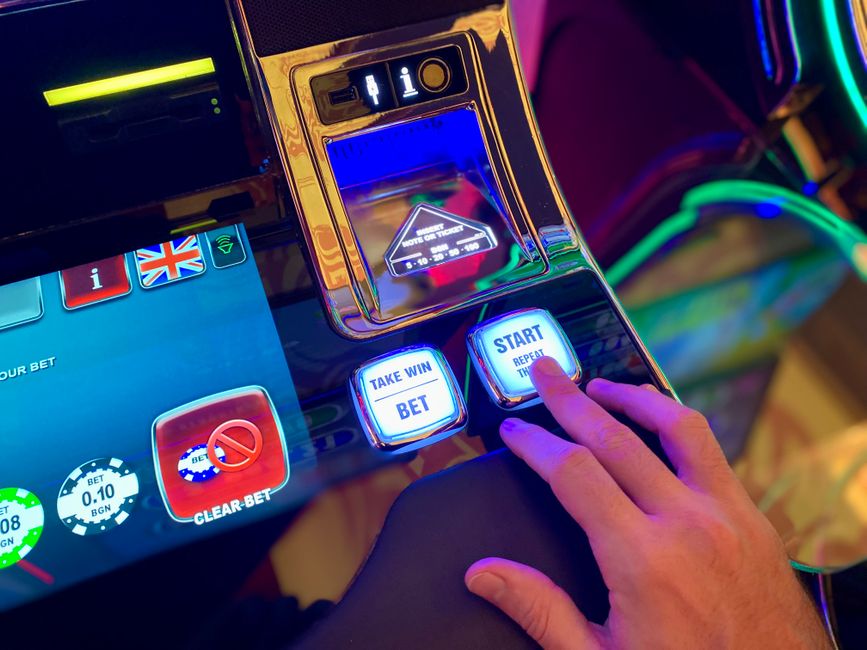
The allure of the slot jackpot has captivated players since the first mechanical slot machine was invented in the late 19th century. Today, progressive jackpots can reach tens of millions of dollars, transforming ordinary casino visits into life-changing events. But what exactly constitutes a slot jackpot, and how do these systems operate behind the flashing lights and celebratory sounds? This article provides a professional, data-driven analysis of slot jackpot mechanics, technological underpinnings, and psychological impact.
Understanding the Mechanics of a Slot Jackpot
At its core, a slot jackpot represents the highest possible payout a machine can award. Traditional jackpots are fixed, meaning the top prize is a set amount determined by the machine’s programming. However, the modern gambling landscape is dominated by progressive jackpots. In a progressive system, a small percentage of every wager placed across a network of machines—sometimes spanning multiple casinos or even countries—is added to a central prize pool. This pool continues to grow until one lucky combination triggers the win. The odds of hitting a major progressive jackpot are astronomically low, often exceeding 50 million to one, yet the potential for a seven- or eight-figure payout drives continuous play. The random number generator (RNG) within each machine ensures that every spin is independent and statistically unpredictable, debunking myths about “hot” or “cold” machines.
Technology and Randomness: The RNG Factor
To understand the slot jackpot, one must first understand the RNG. This is a computer algorithm that generates thousands of number sequences per second, even when the machine is not being played. When a player presses the spin button, the RNG stops at a specific combination that corresponds to a set of reel symbols. In jackpot scenarios, the RNG must align a specific, extremely rare sequence. For progressive jackpots, the winning condition often requires the player to bet the maximum amount, as the jackpot symbol or special feature is only activated at that wager level. Modern slots also employ advanced encryption to prevent tampering and ensure fairness, with independent testing agencies like eCOGRA or GLI certifying the games. The result is a system where mathematical probability—not luck, superstition, or timing—dictates every outcome.
Psychological Drivers Behind Jackpot Chasing
The psychological appeal of the slot jackpot is profound. Behavioral economists point to the “near-miss” effect as a primary driver. When a player sees two jackpot symbols and a third just one position off, the brain interprets this as a near-win, releasing dopamine similar to an actual win. This illusion of skill or control keeps players engaged. Additionally, the variable ratio reinforcement schedule—where wins occur unpredictably—creates a powerful conditioning loop. Jackpot chasers often exhibit the “gambler’s fallacy,” believing that a long drought increases the likelihood of a hit, despite mathematical independence. Casinos strategically advertise jackpot wins and display current prize amounts on large digital signs to create social proof and urgency. The combination of massive potential reward, low probability, and intermittent reinforcement makes the slot jackpot one of the most potent stimuli in the gambling ecosystem.
Progressive Jackpot Networks and Casino Economics
From an economic perspective, progressive jackpot networks are a masterstroke of revenue generation. The operator and the machine manufacturer share a small percentage—typically 1% to 3%—of each wager contributed to the jackpot. This creates a self-perpetuating prize pool that attracts players without requiring the casino to fund the entire payout from its own reserves. However, the house edge on progressive slots is often higher than on standard machines, sometimes exceeding 15%, compared to 5-10% for non-progressive games. This increased edge compensates for the large jackpot liability. Moreover, the vast majority of players never win the grand prize, meaning the casino collects a steady stream of incremental revenue. The psychological expectation of a “one-spin life change” keeps machines active for hours, generating far more revenue than the cost of the occasional jackpot payout.
Responsible Gaming and the Jackpot Dream
While the slot jackpot represents a legitimate opportunity for financial windfall, it is crucial for players to approach these games with informed discipline. Setting strict loss limits and time budgets is essential, as the statistical probability of hitting a major jackpot is negligible. Professional gamblers and casino analysts recommend treating jackpot play as entertainment expenditure, not as an investment strategy. Responsible gaming tools, such as self-exclusion programs and deposit limits, can help mitigate the risk of problem gambling. The thrill of the jackpot should never overshadow the reality that the house retains a long-term mathematical advantage. For those interested in exploring the mechanics firsthand, verified platforms offer transparent RTP (Return to Player) percentages and certified RNGs, but the golden rule remains: gamble only what you can afford to lose.
Conclusion: The Enduring Appeal of the Jackpot
The slot jackpot is a sophisticated fusion of mathematics, psychology, and technology. It is not merely a prize but a carefully engineered experience that leverages human cognitive biases to sustain engagement. From the silent millisecond of the RNG calculation to the electronic symphony of a winning spin, the jackpot remains the ultimate symbol of chance and reward in the gaming world. Understanding its mechanics demystifies the process and empowers players to make rational decisions. Whether you are a casual player or a serious analyst, the slot jackpot phenomenon continues to offer a fascinating case study in probability, human behavior, and the modern entertainment economy. Remember: the odds are long, but the dream endures—provided you play smart, stay informed, and never chase the loss.